Cross-Border Data Flows Reshaping Bonus Eligibility Rules in Virtual Card Platforms
Written by Uma Meier · Jul 24, 2026
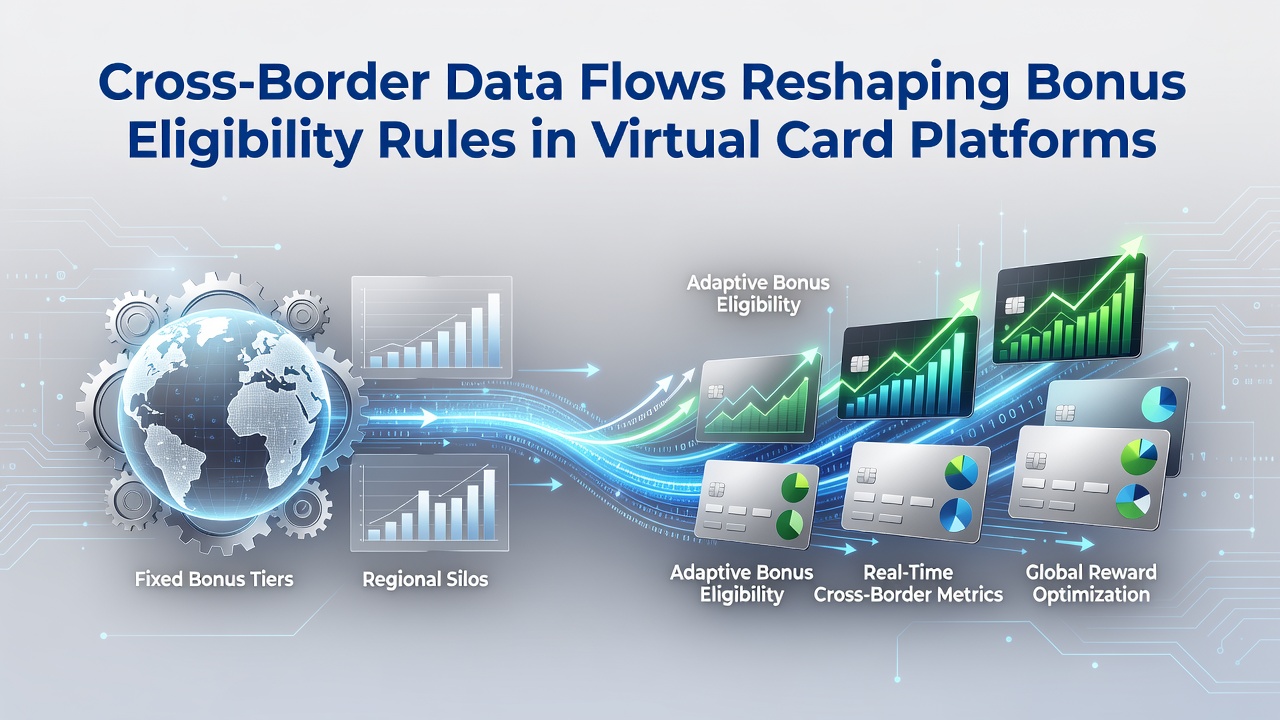
Cross-Border Data Flows Reshaping Bonus Eligibility Rules in Virtual Card Platforms
Virtual card platforms have expanded rapidly across online gaming sectors, and data movement between jurisdictions now determines which users qualify for promotional bonuses. Regulatory frameworks in multiple regions require platforms to verify user locations before releasing bonus funds, yet transaction records often travel through servers located thousands of miles away. This shift has prompted operators to adjust eligibility algorithms that cross-reference IP addresses, payment processor logs, and account creation details in real time.
Data Movement and Jurisdiction Verification
Platforms process user information through distributed cloud networks that span several countries, and each transfer triggers compliance checks tied to the destination jurisdiction. In July 2026, operators reported that bonus activation rates dropped in markets where local rules prohibit cross-border storage of gaming-related data without explicit consent. Systems now flag accounts when data packets originate from regions with strict localization statutes, forcing manual reviews before bonuses can be credited.
European operators integrate requirements from the General Data Protection Regulation with national gaming statutes, while Canadian provinces enforce separate standards through provincial gaming corporations. These layered rules mean a single virtual card transaction can generate multiple compliance flags as records move from a player's device to a processing center abroad.
Technical Adjustments in Platform Architecture
Developers have introduced geofencing layers that activate before bonus codes are applied, and these layers query databases updated daily with regulatory changes. When data flows cross into territories with differing bonus taxation policies, platforms automatically segment user pools and apply region-specific terms. One implementation logs the physical location of each data center involved in a transaction, then compares it against a master list of approved jurisdictions maintained by industry groups.
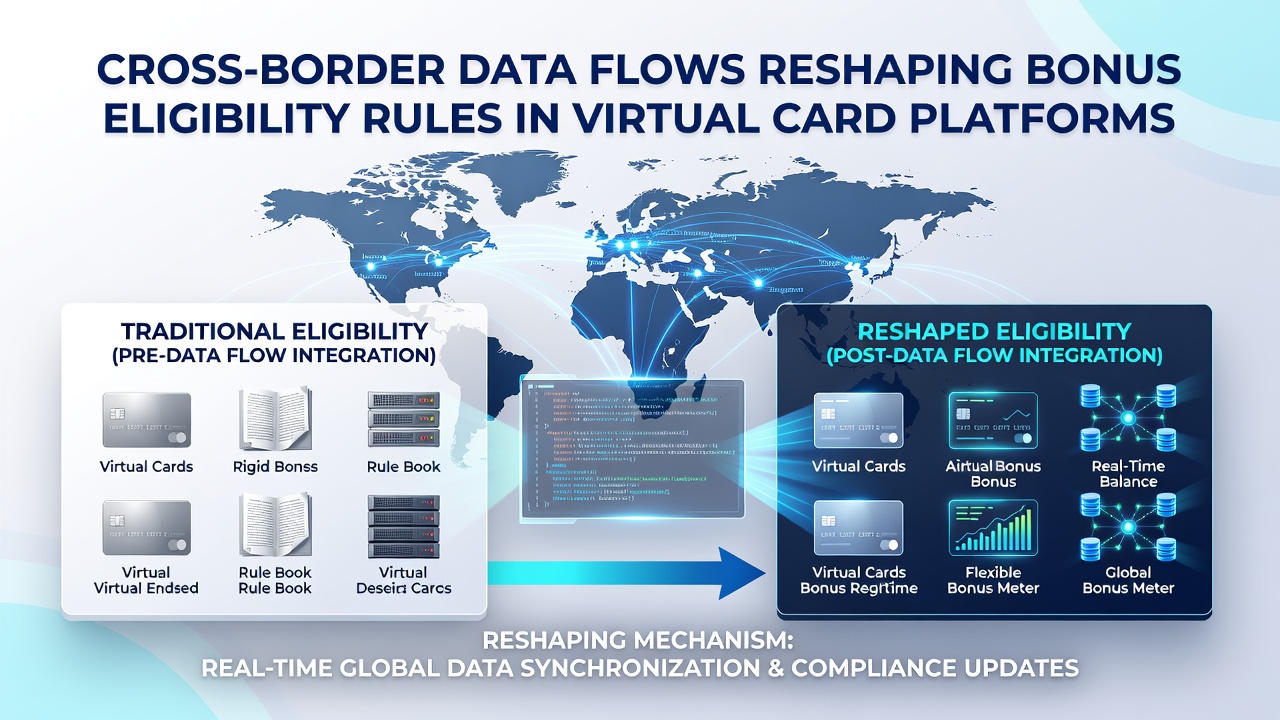
Payment processors that handle virtual cards supply additional metadata including currency conversion points and settlement banks, and this information feeds directly into eligibility engines. Observers note that platforms using multiple processors across borders experience higher rates of bonus holds while systems reconcile conflicting location signals.
Regulatory Examples Across Regions
Australian regulators require operators to maintain local copies of transaction records for audit purposes, and this rule affects how bonuses tied to deposit volumes are calculated when data leaves the country. In contrast, several U.S. states permit limited outbound transfers provided encryption standards meet federal guidelines, allowing platforms to route certain verification steps through overseas facilities without immediate disqualification of bonus claims.
Research from the Canadian federal innovation department highlights that synchronized data protocols between provinces have reduced eligibility disputes by aligning timestamp formats across platforms. Similar coordination efforts appear in reports issued by the European Securities and Markets Authority, which tracks how virtual payment instruments interact with cross-border data rules in member states.
Impact on User Account Management
Account holders who travel frequently encounter repeated eligibility checks because their connection points change with each login. Platforms now store historical location sequences for up to 90 days to establish consistent patterns before releasing accumulated bonuses. When a user's data trail shows simultaneous activity from two distant regions, systems pause bonus processing until identity verification teams confirm the account owner.
Industry reports indicate that reconciliation times for disputed bonuses have shortened where platforms adopted standardized data exchange formats developed by international gaming associations. These formats allow quick comparison of transaction metadata without exposing full user profiles during the verification step.
Conclusion
Cross-border data flows continue to influence how virtual card platforms determine bonus eligibility through ongoing adjustments in verification technology and regulatory alignment. Operators maintain compliance by mapping every data transfer against current jurisdictional requirements, and updates in July 2026 demonstrate further refinement of these processes across multiple markets. As networks expand, eligibility rules will reflect the physical paths that transaction data follows rather than solely the stated location of the account holder.