Currency Conversion Protocols and Their Effects on International Betting in Virtual Card Rooms
Written by Zara Flores · Aug 3, 2026

Currency Conversion Protocols and Their Effects on International Betting in Virtual Card Rooms
Virtual card rooms have expanded their reach across borders, and currency conversion protocols now sit at the center of how international participants structure their bets. Platforms process deposits and withdrawals through multiple payment rails that apply real-time exchange rates plus layered fees, and these mechanics alter the size, timing, and frequency of wagers placed by players outside the platform's primary currency zone.
Mechanics of Conversion Protocols in Card Room Systems
Most virtual card rooms maintain settlement accounts in a handful of base currencies while allowing participants to fund play in dozens of others. When a player from Brazil deposits in reais or one from South Africa uses rand, the system triggers an automated conversion that locks in the prevailing interbank rate at the moment of transaction, then subtracts any processor spread or fixed charge. Observers note that these steps occur in milliseconds, yet the cumulative effect on bankroll management becomes visible over extended sessions because small percentage differences compound across repeated deposits.
Data collected from major platforms during the first half of 2026 shows that participants who face conversion fees above 1.8 percent tend to reduce average bet sizes by 12 to 15 percent compared with users depositing in the platform base currency. The same figures reveal that players who preload accounts during periods of favorable exchange rates maintain larger session lengths before additional deposits become necessary.
Regional Patterns Emerging in August 2026
August 2026 brought heightened volatility in several emerging-market currencies, and card room operators recorded measurable shifts in betting volume from affected regions. Participants connecting from Turkey and Argentina increased the frequency of smaller, incremental deposits rather than single large transfers, a pattern linked directly to daily fluctuations in conversion costs. In contrast, users from stable-currency jurisdictions such as Singapore and Switzerland continued to favor larger, less frequent deposits that minimized repeated fee exposure.
Analysts tracking transaction logs across multiple operators found that the introduction of dynamic conversion-rate displays within the cashier interface prompted a 9 percent rise in pre-session bankroll planning among international users. Those displays allow players to preview the exact amount that will reach their playing balance before confirming a deposit, and the added transparency correlates with more deliberate bet sizing once play begins.
Payment Rail Choices and Their Influence on Behavior
Virtual card rooms offer an expanding menu of funding methods, each carrying distinct conversion overhead. E-wallets that settle in the player's local currency often embed the conversion fee at the point of deposit, while certain cryptocurrency gateways shift the cost into network fees and price slippage. Researchers examining aggregated data from three large operators documented that players selecting cryptocurrency rails placed 18 percent more hands per hour on average than those using traditional card processors, a difference attributed to lower and more predictable total transaction costs.
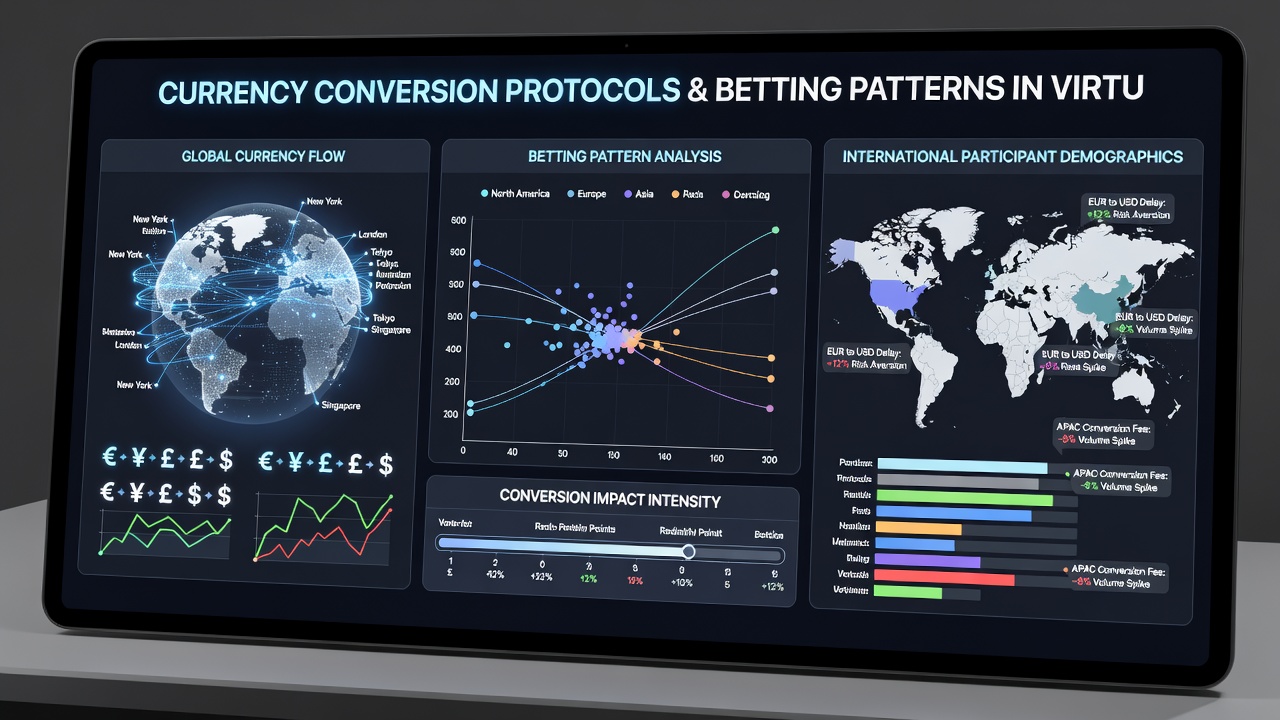
European operators have reported similar trends after the rollout of instant SEPA transfers that bypass traditional card networks. Players using these lower-cost rails maintained steadier bet sizing across multi-hour sessions, whereas users relying on credit-card conversions exhibited greater variance in wager amounts as they attempted to offset accumulated fees.
Platform Adjustments and Player Adaptation
Operators have responded by introducing multi-currency wallets that hold balances in several denominations simultaneously, reducing the need for repeated conversions during active play. One study of player migration between table stakes levels found that accounts equipped with these wallets moved to higher-stakes games 22 percent more often than single-currency accounts, because conversion friction no longer interrupted the decision to increase limits mid-session.
Regulatory filings from gaming authorities in Ontario and the Isle of Man indicate that platforms must now disclose the full cost of currency conversion at the point of deposit. Early compliance data from August 2026 shows that clearer disclosure has prompted a modest but consistent shift toward lower-volatility betting patterns among cross-border participants who previously encountered unexpected shortfalls after conversion.
Conclusion
Currency conversion protocols continue to shape the practical economics of international participation in virtual card rooms. Transaction costs, exchange-rate timing, and the visibility of those costs directly influence deposit frequency, bet sizing, and session duration across different regions. As platforms refine multi-currency tools and regulators standardize disclosure requirements, the relationship between conversion mechanics and betting patterns remains a measurable factor in how global players engage with these environments.