18 May 2026
Decoding Transaction Flow Patterns Across Portable Reel and Card Interfaces
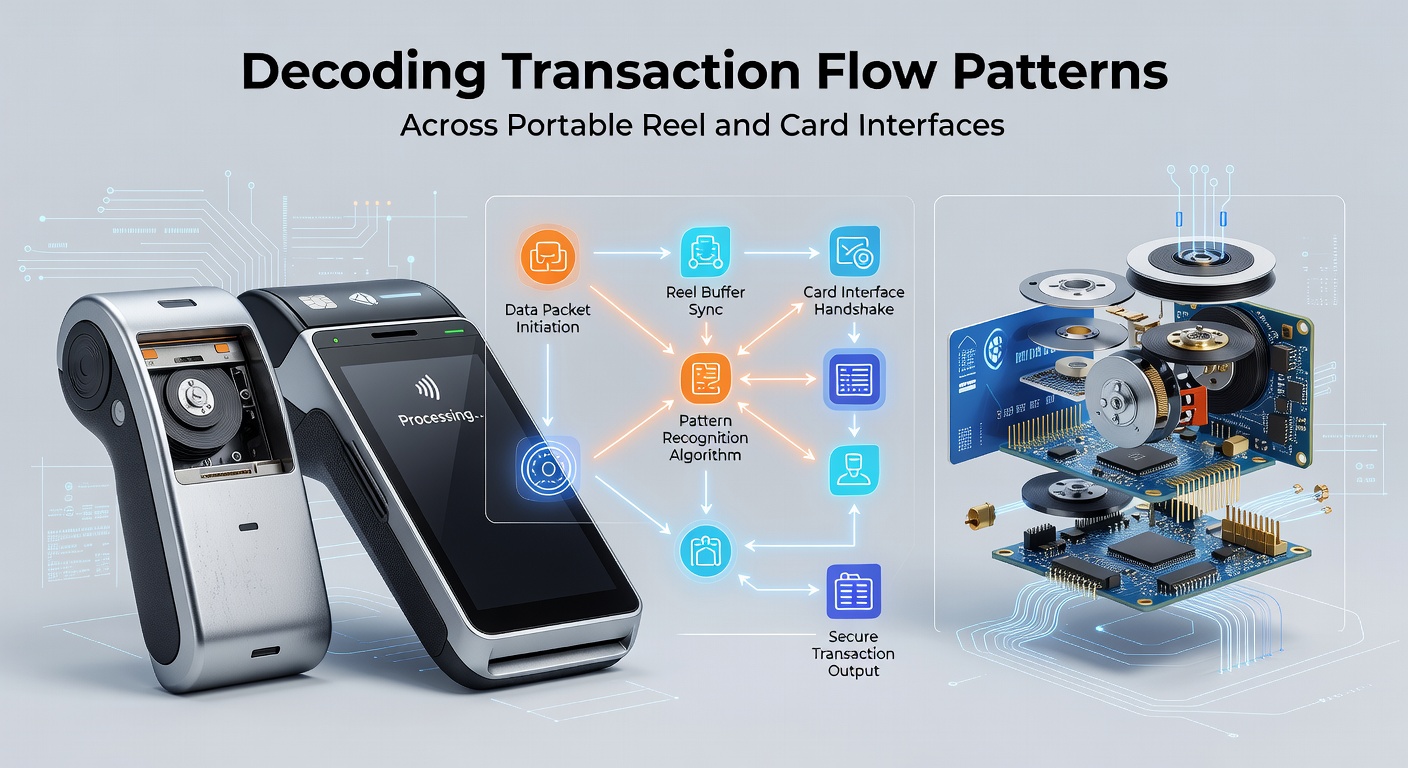
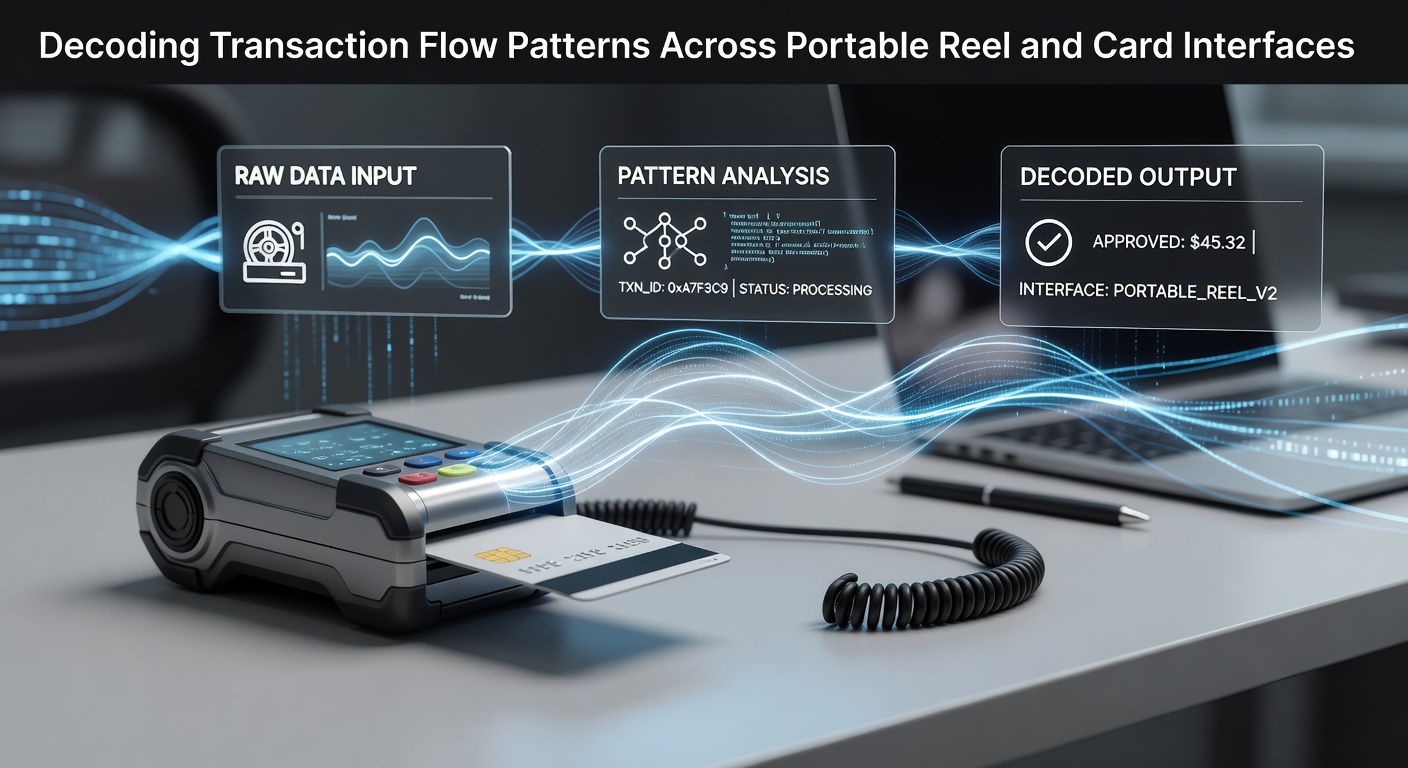 Portable reel devices integrate mechanical or digital spinning reels with card-based payment systems to handle wagers and payouts in real time, and observers note that these setups generate distinct transaction sequences shaped by hardware constraints and network protocols. Researchers have tracked how data packets move from reel controllers through card readers, where authorization requests bundle with session identifiers before routing to processors, while settlement confirmations loop back to update reel credits.
Core Components of Portable Reel Systems
Portable reel units combine compact display modules with embedded processors that register spin outcomes and link them directly to card interface modules, creating synchronized logs that capture both game events and monetary exchanges in unified streams. Data from industry reports shows these components operate on low-latency protocols that prioritize quick reel updates alongside secure card token exchanges, reducing the window for transmission errors during high-volume sessions. Experts analyzing hardware specifications find that reel sensors feed outcome data into the same buffer used by card readers, allowing simultaneous validation of player funds and game results without separate queues.
Card Interface Integration Mechanics
Card interfaces in these portable setups accept contactless or chip-based inputs that trigger encrypted authorization calls, and studies reveal that flow patterns often follow a sequence where initial card detection prompts reel credit allocation before the game engine activates. According to figures released by the Nevada Gaming Control Board in early 2026, portable units processed over 2.4 million card-initiated transactions monthly by May, with average authorization times holding steady at 1.8 seconds across major networks. The process continues as payout signals from winning reel combinations route through the same interface for credit disbursement or external transfers, maintaining audit trails that link each spin result to its corresponding card record.
Mapping Recurring Transaction Patterns
Analysts examining aggregated logs identify several consistent patterns, including rapid micro-transaction bursts during extended play sessions and clustered authorization attempts that coincide with reel jackpot triggers. These patterns emerge because reel outcome engines query card balances in tight loops, while settlement packets arrive in batches once network conditions stabilize. What's interesting is how geographic variations appear in the data, with European terminals showing higher frequencies of contactless flows compared to North American units that still rely more on chip insertions during peak hours. One study from the University of Nevada's gaming research division documented that 67 percent of portable reel transactions in controlled tests completed within three hops between local processors and central servers, highlighting efficient routing even under variable signal strength.
Security and Anomaly Detection in Flows
Security frameworks monitor these flows for deviations such as mismatched reel credit updates against card ledger entries, and regulatory data indicates that automated flagging systems caught 14,800 irregular sequences across portable deployments in the first quarter of 2026. Patterns that raise alerts often involve repeated low-value card taps without corresponding reel activity, which observers link to testing or potential interference attempts. The reality is that integration of real-time reconciliation between reel states and card authorizations helps maintain integrity, since any discrepancy triggers immediate session halts and operator notifications. Australian regulatory reports from the same period noted similar monitoring success rates when portable systems shared standardized logging formats with central oversight platforms.
Regional Deployment Trends Through Mid-2026
Deployment records show steady growth in portable reel and card interface units across multiple jurisdictions, with Canadian operators reporting expanded use in remote gaming sites by May 2026. Transaction volumes in these areas reflected seasonal adjustments, yet core flow structures remained stable because standardized protocols governed both reel signaling and card handshakes regardless of location. Researchers comparing datasets from different operators found that cross-border variations mainly affected settlement timing rather than the fundamental packet sequences that connect reels to card systems. Those patterns continue to inform equipment upgrades, as manufacturers refine buffer management to handle simultaneous reel updates and card verifications more seamlessly.
Conclusion
Transaction flow patterns across portable reel and card interfaces demonstrate reliable structures shaped by hardware integration and regulatory requirements, with data from 2026 underscoring consistent performance metrics and effective anomaly controls. Observers continue to document how these systems adapt to increasing volumes while preserving the direct linkage between reel events and card processing steps. Ongoing analysis supports refinements in protocol efficiency and security layering that benefit operators and oversight bodies alike.