10 Jun 2026
Examining Ties Between Rapid Payout Options and Refined Approaches to Interactive Wheel Variants on Handheld Platforms
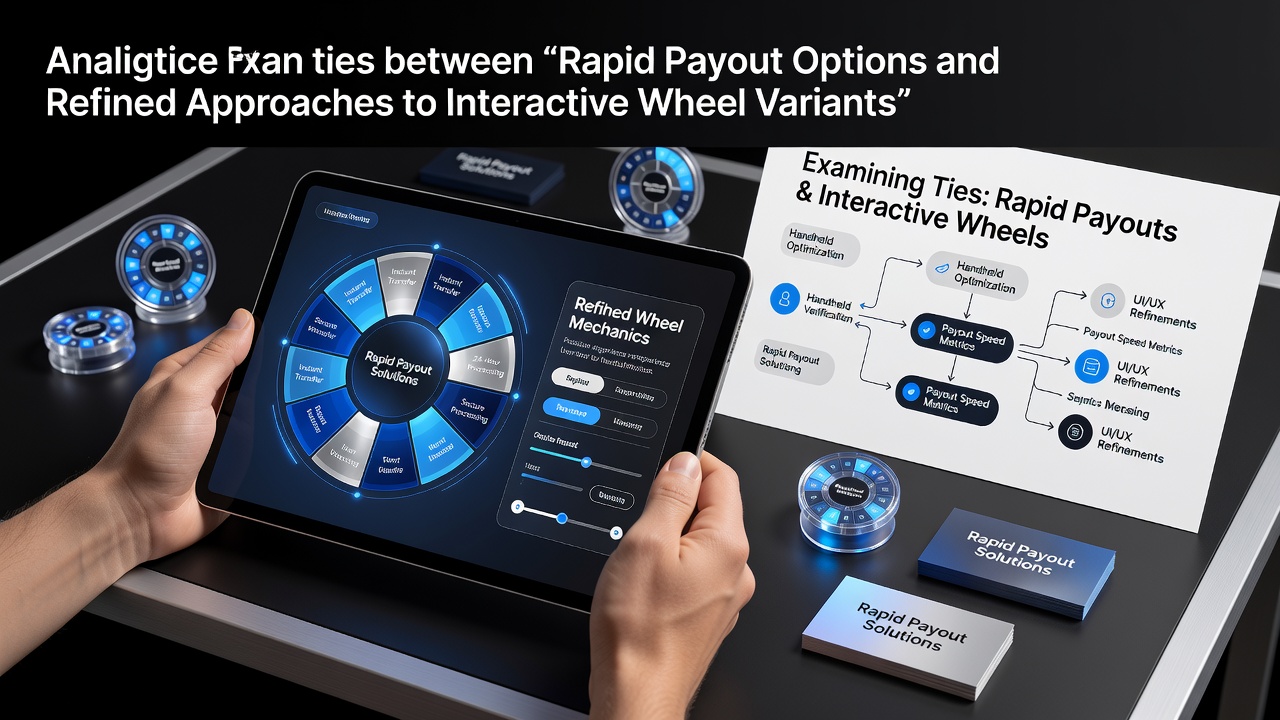
Interactive wheel variants on handheld platforms continue to attract players who seek both entertainment and efficient transaction flows, while rapid payout options have emerged as a key factor shaping how participants manage their sessions in real time. Data from industry tracking services indicates that mobile roulette-style games accounted for a growing share of overall iGaming activity through the first half of 2026, with engagement metrics rising notably in regions where instant withdrawal systems operate alongside regulated operators.
Market Expansion and Transaction Dynamics
Platforms offering wheel-based titles on smartphones and tablets have integrated payment rails that deliver funds within minutes rather than hours or days, and this shift aligns with observed changes in player behavior. Figures released in June 2026 by regional monitoring bodies showed that jurisdictions permitting same-day crypto and e-wallet withdrawals recorded higher session frequency among users of interactive wheel games compared with slower-settlement markets. Researchers tracking retention patterns note that quicker access to winnings allows participants to adjust stake levels across multiple wheel variants without extended pauses, which in turn supports more granular bankroll allocation strategies.
Operators have responded by embedding payout APIs directly into game clients, reducing friction between the conclusion of a wheel spin sequence and the availability of credits for subsequent rounds. This technical linkage appears in several major handheld applications where players toggle between European, American, and multi-ball wheel formats while monitoring withdrawal queues in the same interface.
Strategic Adjustments in Mobile Wheel Play
Refined approaches to wheel variants often incorporate real-time data on payout velocity when determining entry points and exit thresholds. Observers have documented cases where users employ segmented bankrolls, moving portions of winnings into separate digital wallets immediately after a successful sequence, then reallocating remaining balances across different wheel mechanics. Such tactics become feasible primarily because rapid payout mechanisms eliminate the traditional delay between cash-out requests and fund receipt.
One documented pattern involves players who monitor volatility indexes within specific wheel variants and time their withdrawals to coincide with projected hot or cold cycles, using the instant settlement feature to lock in gains before shifting to lower-risk configurations. Industry reports compiled by research groups in Canada and Australia highlight that these segmented withdrawal habits correlate with extended play durations on handheld devices, since participants avoid the psychological pressure of trapped funds.
Technical Integration and Platform Capabilities

Developers have refined backend systems to synchronize game engines with payment processors, enabling wheel spin outcomes to trigger automated balance updates that feed directly into withdrawal pipelines. This integration supports refined player approaches by supplying live transaction logs that users consult when deciding whether to continue with progressive betting ladders or to pause and extract profits. Handheld platforms now routinely display estimated settlement times alongside wheel result histories, giving participants the information needed to calibrate their strategies according to payout speed.
Security protocols around these rapid systems include multi-factor authentication layers that activate only during withdrawal initiation, while game sessions themselves remain uninterrupted. Data compiled by academic research centers shows that such streamlined processes have contributed to measurable increases in repeat engagement rates for interactive wheel titles on mobile operating systems.
Regulatory Context Across Regions
Regulatory frameworks in multiple territories now require operators to disclose average payout processing intervals for wheel-based products, creating transparency that informs player decision-making. In Ontario, for instance, updated compliance standards effective early 2026 mandated real-time reporting of settlement metrics, which analysts link to shifts in how users approach multi-variant wheel sessions on portable devices. Similar transparency measures appear in select Australian state guidelines, where operators must publish average times from request to receipt for digital wallet transactions tied to gaming accounts.
These requirements have prompted platforms to optimize their transaction flows further, reducing the average interval for approved withdrawals to under ten minutes in compliant environments. Players who study these published benchmarks often incorporate the data into their session planning, selecting wheel variants that align with both volatility preferences and the reliability of associated payout channels.
Conclusion
The connection between rapid payout infrastructure and evolving strategies for interactive wheel variants on handheld platforms rests on measurable operational and behavioral patterns rather than isolated trends. As transaction speeds continue to align with game mechanics, participants gain additional levers for managing exposure across different wheel formats while operators refine their offerings to meet both regulatory expectations and user demand for seamless fund movement. Ongoing data collection from regional authorities will likely clarify how these elements interact over longer periods.