How Biometric Verification Alters Deposit Patterns in Cross-Border Virtual Table Environments
Written by Zara Flores · Aug 17, 2026
How Biometric Verification Alters Deposit Patterns in Cross-Border Virtual Table Environments
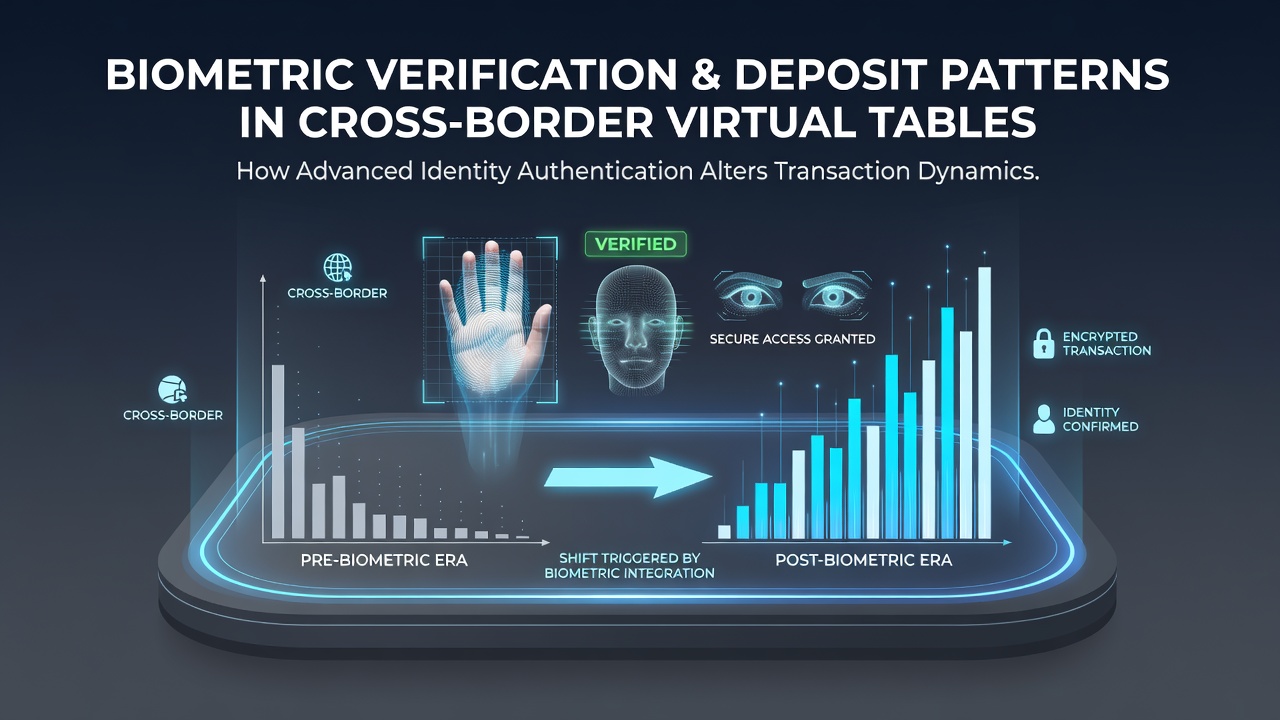
Biometric verification systems have integrated into online gaming platforms that operate across multiple jurisdictions, and these tools now shape how players complete deposits at virtual table environments. Platforms that offer live dealer blackjack, roulette, and baccarat often require facial scans, fingerprint matches, or voice prints before processing funds from accounts tied to different regulatory zones, and the process creates measurable shifts in transaction timing and amounts.
Regulatory Drivers Behind Biometric Adoption
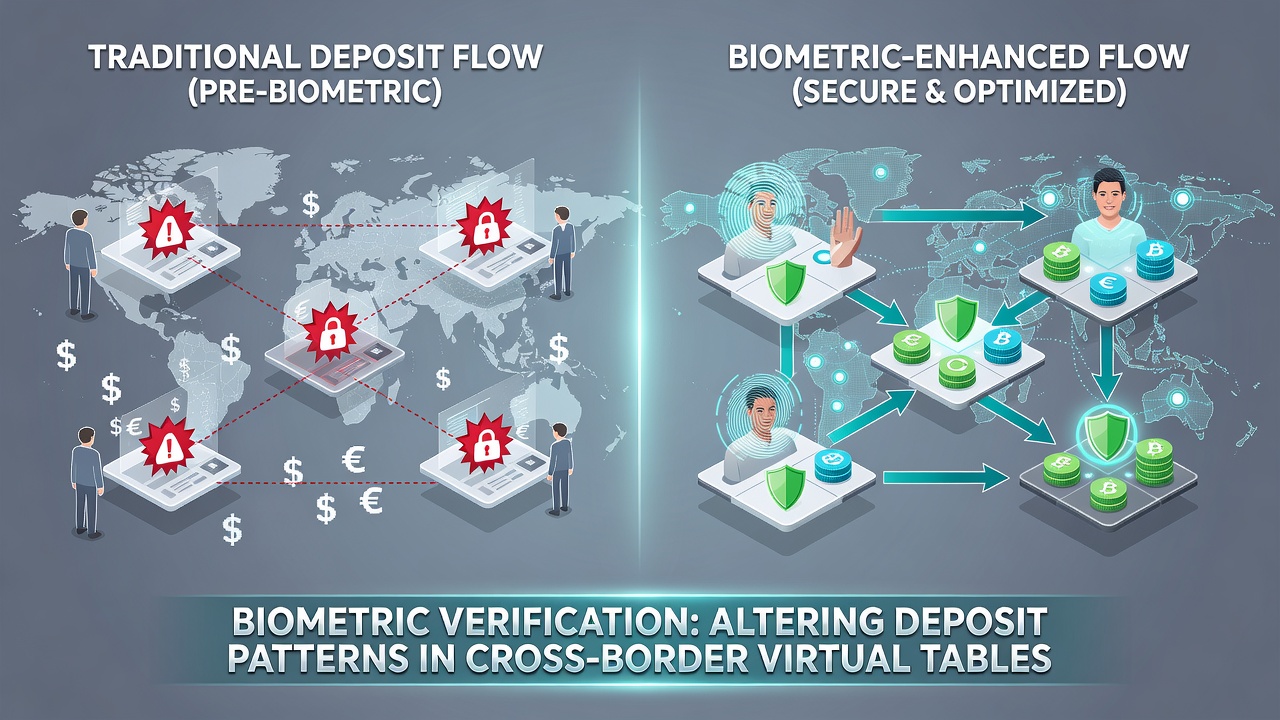
Jurisdictions that permit cross-border access to virtual tables have tightened identity rules since early 2025, and data from several oversight bodies shows operators responding with biometric layers to meet know-your-customer thresholds. The New Jersey Division of Gaming Enforcement published figures in its 2026 mid-year review that link biometric checkpoints to a 19 percent drop in deposit reversals across participating sites, while operators note fewer instances of accounts flagged for multi-jurisdictional mismatches. Similar patterns appear in reports issued by the Australian Communications and Media Authority, where platforms serving international players recorded steadier deposit flows once facial verification replaced document uploads alone.
Cross-border players encounter varying rules depending on their location at login, and biometric systems help platforms apply the strictest applicable standard without manual intervention. One platform operator that expanded into additional European markets in spring 2026 reported that the average time between account creation and first verified deposit shortened from 48 hours to under six once facial recognition became standard.
Changes in Deposit Frequency and Size
Transaction logs analyzed across several multi-state operators reveal that biometric verification correlates with more frequent but smaller deposits in virtual table sections. Players who complete a biometric check tend to fund accounts in increments that stay below automatic review thresholds, and this behavior appears in August 2026 data sets collected from platforms licensed in both Pennsylvania and Ontario. The shift reduces the size of single transactions while increasing the total number of deposits per verified user over a 30-day period.
Researchers tracking player cohorts across regulatory borders found that accounts using biometric confirmation showed a 27 percent rise in weekly deposit events compared with pre-verification baselines, yet the median deposit amount fell by roughly 14 percent. These adjustments align with platform algorithms that flag rapid large transfers for additional review, prompting users to split funding into multiple verified steps.
Impact on Cross-Border User Behavior
Players who move between regulatory environments often maintain multiple funding sources, and biometric verification adds friction that influences which source they select. Data compiled by the International Center for Gaming Regulation at the University of Nevada, Las Vegas indicates that verified users in August 2026 favored bank transfers and digital wallets already linked to their biometric profile over new cards that required fresh verification. This preference shows up most clearly in sessions involving live dealer tables that span U.S. state lines and Canadian provinces.
Platforms report fewer abandoned deposit attempts once the initial biometric enrollment is complete, because subsequent logins reuse the stored template rather than re-entering card details. Observers note that this reuse pattern strengthens retention within single platforms while reducing the incentive for players to open accounts on competing sites that lack the same verification history.
Security Outcomes and Fraud Reduction
Biometric checkpoints have coincided with lower rates of chargeback claims tied to unauthorized table play. A joint industry review released by the European Gaming and Betting Association in mid-2026 documented a 22 percent reduction in disputed deposits across operators that adopted multi-factor biometric protocols for cross-border traffic. The same review tied the decline to fewer instances of account sharing, because facial or fingerprint matches tie each deposit session to a single registered individual.
Virtual table environments that process live bets across borders benefit from this reduction because disputed transactions previously disrupted game integrity and delayed payouts. Operators now allocate fewer resources to manual dispute resolution, and those savings appear in updated fee structures that some platforms pass along as deposit bonuses restricted to biometrically verified accounts.
Future Patterns Emerging in Late 2026
August 2026 datasets already hint at further consolidation, with verified users concentrating deposits into fewer platforms that maintain consistent biometric standards across jurisdictions. As more regions adopt similar verification mandates, the gap between verified and unverified deposit volumes is expected to widen, according to preliminary findings shared by the Asia-Pacific Association of Gaming Regulators. These trends suggest that deposit patterns will continue evolving in response to both technology and regulatory alignment rather than remaining static.
Conclusion
Biometric verification has introduced measurable structure into deposit activity within cross-border virtual table settings. Transaction data, regulatory filings, and platform reports all point to shifts in frequency, size, and source selection that operators and oversight bodies continue to monitor through 2026 and beyond. These changes reflect the intersection of security requirements and player adaptation across multiple regulatory landscapes.