10 Jul 2026
How Cultural Festivals Reshape Prize Pool Distributions in International Digital Card Tournaments Across Time Zones
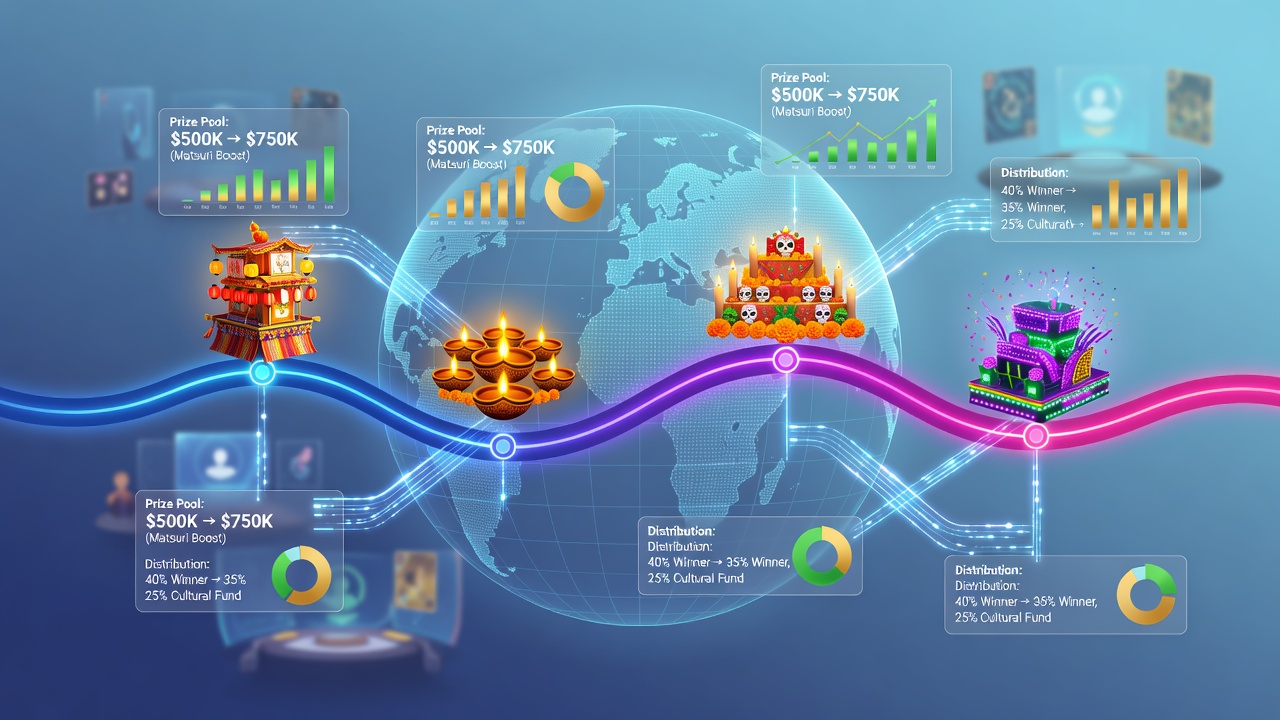
Cultural festivals have long influenced participation patterns in international digital card tournaments, and organizers adjust prize pool distributions accordingly to accommodate regional surges. Data from major platforms indicates that events coinciding with celebrations such as Diwali, Lunar New Year, and Carnival draw concentrated entries from specific geographic clusters, which in turn prompts reallocations of total prize funds to reflect increased regional engagement while maintaining competitive balance across time zones.
Festival Timing and Entry Volume Patterns
Organizers track registration data months in advance, and historical records show consistent spikes when tournaments overlap with major holidays in high-participation countries. For instance, platforms hosting events during October and November festivals often record up to 40 percent more entrants from South Asian networks, which leads administrators to expand secondary prize tiers rather than concentrating rewards solely among top finishers. Similar patterns emerge around February events tied to East Asian observances, where entry numbers from those regions climb steadily and force recalibrations in payout structures to sustain interest from European and North American players competing in different time slots.
Prize Pool Adjustments During Peak Periods
Distributions shift through the addition of festival-themed satellite events and regional leaderboards that feed into main brackets. Research compiled by tournament analytics teams reveals that total prize pools grow by an average of 25 to 35 percent when aligned with cultural calendars, yet the allocation methodology changes to include more mid-tier awards for participants logging in from offset time zones. This approach prevents dominance by any single regional cohort while ensuring that players in Asia-Pacific zones can compete without facing prohibitive latency during late-night or early-morning festival windows.
Time Zone Coordination Challenges
Global events spanning multiple continents require staggered start times, and festivals complicate these logistics because local observance dates rarely align with standard UTC scheduling. Tournament directors therefore introduce flexible registration windows that open earlier for regions celebrating concurrent holidays, allowing prize contributions from those markets to influence overall fund sizes before brackets finalize. In July 2026 several platforms incorporated Bastille Day and Independence Day overlaps into their calendars, resulting in adjusted payout percentages that directed additional funds toward qualifiers finishing within specific regional time bands rather than a uniform global ranking.
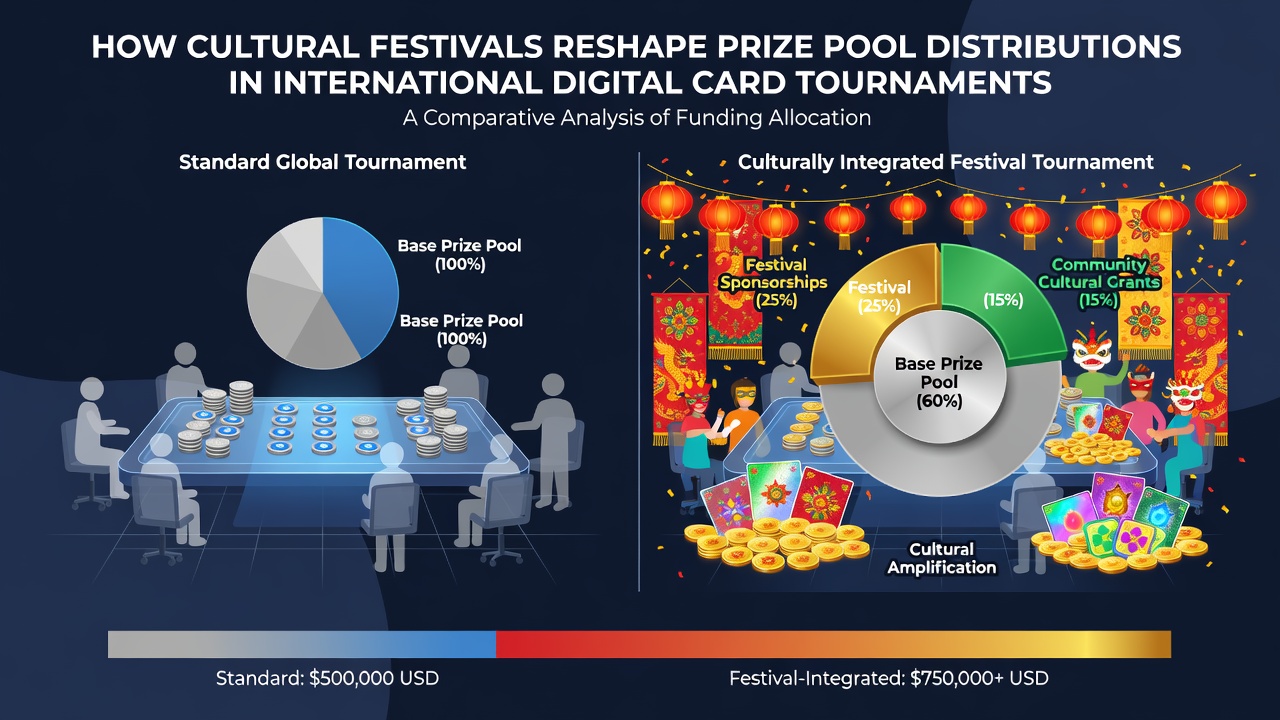
Observers note that these modifications maintain fairness across longitudinal differences, since a player in one hemisphere may finish a session while another region remains in active festival participation. Platforms have implemented automated systems that monitor concurrent logins and dynamically resize consolation brackets accordingly, ensuring that late entrants from distant zones still access meaningful portions of the expanded pools.
Regional Examples and Data Trends
One documented case occurred during a 2025 Carnival-aligned series where Brazilian and Portuguese entries increased sharply, prompting organizers to allocate 15 percent of the total fund to a separate South American leaderboard that fed winners into the main event. Comparable adjustments took place around Ramadan periods, where Middle Eastern participation rose and led to modified payout schedules that preserved prize integrity for competitors in earlier time zones. Figures released by the Asia Pacific Esports Association indicate these festival-driven reallocations have become standard practice, with aggregate prize money distributed across more than 12 distinct time zones in recent large-scale events.
Additional studies from university research groups in Canada and Australia further confirm that time zone offsets during festival windows correlate with measurable changes in average prize claims per region, prompting platforms to publish transparent distribution formulas ahead of each major cycle. These formulas typically reserve base amounts for global top placements while carving out supplemental tiers tied directly to festival participation metrics.
Conclusion
International digital card tournaments continue to adapt prize structures around cultural festivals because entry data and time zone logistics demand such flexibility. Organizers rely on historical patterns and real-time monitoring to balance expanded pools without compromising competitive equity, and the approach has produced consistent participation growth across diverse geographic markets. As calendars advance into subsequent years, these distribution models are expected to incorporate additional variables from emerging festival overlaps and evolving network technologies.