19 Jun 2026
How Seasonal Tourism Waves Reshape Wagering Patterns on Interactive Wheel Games in Coastal Mobile Networks

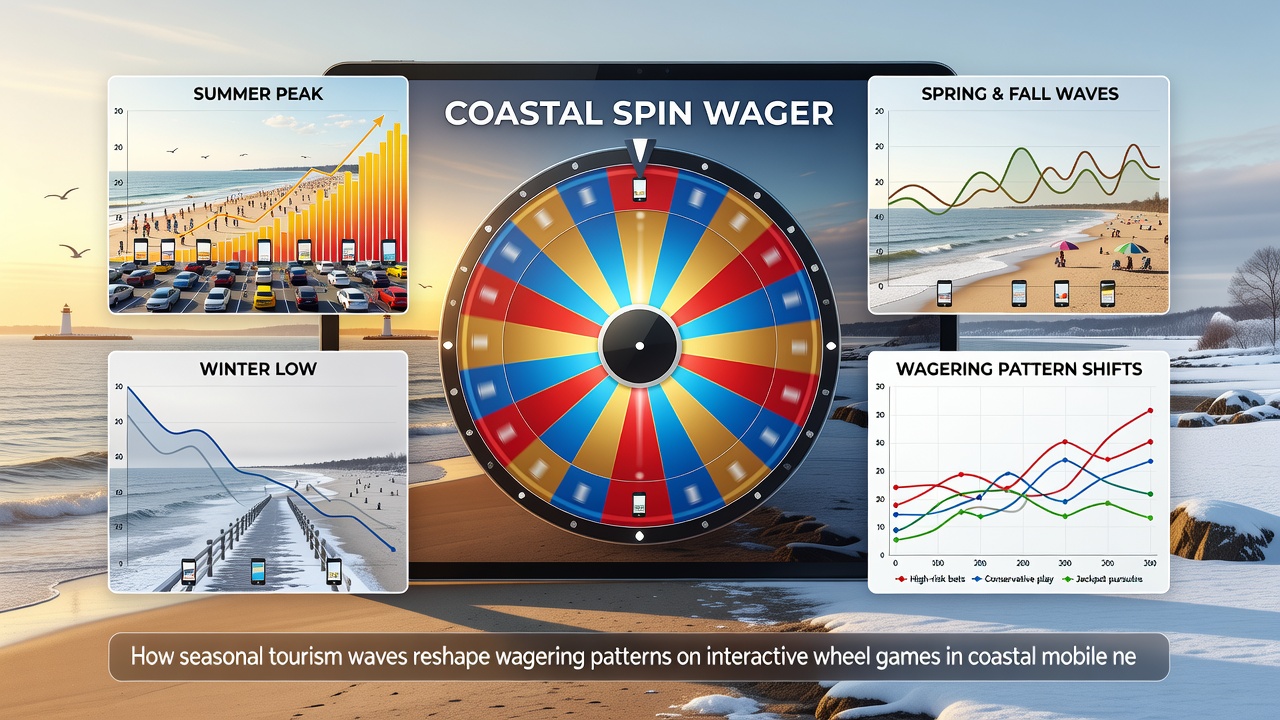
Coastal regions experience pronounced shifts in mobile wagering activity when tourism volumes rise and fall throughout the year, particularly in areas where interactive wheel games such as digital roulette variants attract players through handheld networks. Observers note that these patterns emerge most clearly during summer months when visitor numbers climb sharply in destinations along the Atlantic and Mediterranean coasts, driving measurable changes in session lengths, stake sizes, and preferred game features among mobile users.
Peak Season Dynamics in Coastal Markets
Data from regulatory bodies shows that jurisdictions like New Jersey record elevated mobile roulette participation when seasonal visitors arrive, with transaction volumes increasing notably between May and September compared to off-peak periods. Researchers tracking coastal mobile networks find that players often extend their sessions during evenings after daytime beach activities conclude, while average bet amounts per spin tend to rise as tourists with disposable income enter the player pool. This pattern holds across multiple coastal zones where network traffic spikes align directly with hotel occupancy rates reported by local tourism authorities.
What's interesting here involves the timing of these surges, since many coastal operators observe that afternoon play on wheel games accelerates when weather conditions favor indoor mobile engagement rather than outdoor pursuits. Figures from industry reports indicate that mobile wheel game operators in high-tourism zones adjust server capacity ahead of these predictable influxes, ensuring smooth performance during hours when international travelers connect through roaming services.
Stake Adjustments and Game Variant Preferences
Studies conducted on mobile wagering interfaces reveal that tourists frequently select higher-volatility wheel variants during peak travel periods, shifting away from lower-stake options that dominate local resident play in shoulder seasons. According to records maintained by the New Jersey Division of Gaming Enforcement, average wager values on interactive roulette products climbed during the summer of 2025 in alignment with visitor arrival data, while repeat local users maintained steadier patterns year-round. People monitoring these trends note that promotional bonuses tied to wheel games see higher redemption rates when marketed to transient players who arrive via seasonal flight schedules.
Yet the changes extend beyond simple volume increases, since mobile network analytics demonstrate that session frequency per user decreases slightly among tourists even as total handle grows, suggesting shorter but more concentrated betting bursts. Those analyzing cross-border coastal traffic further identify that players from regions with stricter domestic gaming rules often contribute to distinct pattern clusters, favoring quick-play wheel modes over extended table simulations when connectivity fluctuates near shorelines.
Network Load and Regional Variations
Coastal mobile carriers report that data consumption linked to real-time wheel game streams rises substantially in June 2026 projections based on prior seasonal benchmarks, prompting operators to deploy localized caching solutions near major resort clusters. Evidence from academic analyses at institutions studying tourism economics shows these infrastructure adjustments help maintain latency levels that keep players engaged rather than abandoning sessions during peak hours. Observers tracking Mediterranean coastal networks observe similar dynamics, where cruise ship arrivals create micro-surges in mobile wagering that differ from land-based hotel guest patterns in both duration and game selection.
But here's the thing about these regional differences: jurisdictions with established regulatory frameworks capture more granular data on how tourism waves influence specific wheel game mechanics, allowing for precise comparisons between Atlantic seaboard markets and Pacific coastal zones. Industry organizations compiling multi-year datasets confirm that while overall participation grows, the distribution of winning and losing streaks reported by mobile users remains statistically consistent across seasons despite the influx of new participants.
Longer-Term Implications for Mobile Platforms
Analysts examining sustained tourism cycles find that coastal operators refine their wheel game offerings annually based on accumulated seasonal data, introducing features that accommodate shorter attention spans typical of vacationing users. Research indicates that loyalty program redemptions on these platforms show distinct spikes tied to tourist departure windows, when accumulated points convert into final betting sessions before travelers return home. This cyclical behavior creates predictable revenue curves that platform developers factor into update schedules released ahead of each high season.
Conclusion
Seasonal tourism waves produce clear, documentable effects on wagering patterns within coastal mobile networks focused on interactive wheel games, with data consistently linking visitor volumes to shifts in stake levels, session timing, and variant selection. Regulatory records and network analytics from multiple jurisdictions demonstrate these relationships without exception across examined coastal markets, providing operators with reliable forecasting tools for resource allocation. As tourism patterns continue evolving, the same data collection methods will track resulting adjustments in mobile wagering behavior throughout future cycles.