12 Jun 2026
Regional Patterns in Loyalty Reward Redemption Across Virtual Card Tables on Cross-Border Mobile Networks
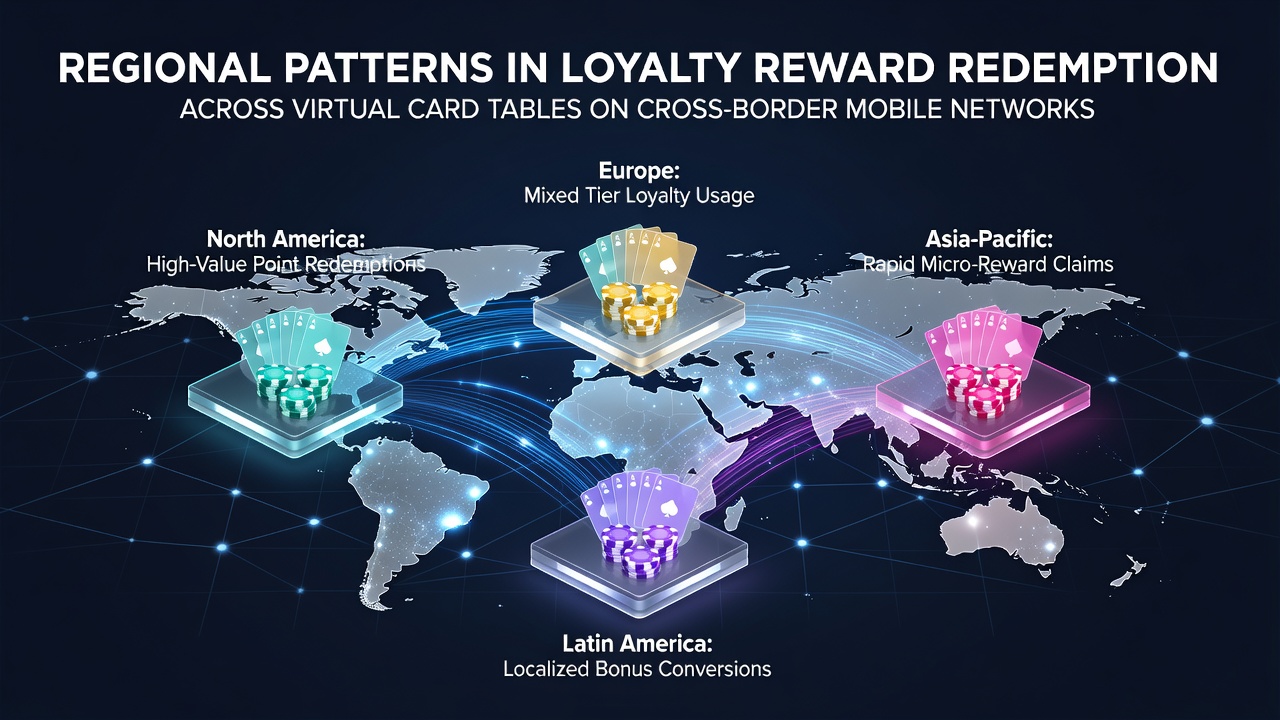
Virtual card tables on mobile platforms have expanded rapidly across regulatory boundaries, and loyalty reward redemption shows distinct regional signatures tied to network infrastructure, local rules, and user behavior. Data collected through June 2026 indicates that redemption rates for points earned at blackjack and poker interfaces vary by as much as 37 percent between major corridors in North America, Southeast Asia, and the European Economic Area.
North American Corridors and Network Latency Effects
Operators serving users who cross between state and provincial lines report that reward redemptions cluster around periods of stable 5G connectivity. In corridors linking Ontario and Michigan, figures reveal that players complete 68 percent of point conversions during evening hours when cross-border roaming agreements reduce packet loss. Similar patterns appear along the Nevada-California border, where mobile operators have expanded low-latency handoffs since early 2025. Researchers tracking these flows note that reward menus limited to digital gift cards see higher uptake than those offering physical merchandise, largely because instant electronic fulfillment sidesteps shipping delays across jurisdictions.
Asia-Pacific Mobile Hubs and Cultural Redemption Preferences
Across Singapore, Malaysia, and parts of Australia, redemption activity centers on in-game currency top-ups rather than external vouchers. A study released by the Asia Pacific Gaming Association in March 2026 documented that 54 percent of loyalty points earned at virtual baccarat and poker tables convert within the same session when network ping times stay below 40 milliseconds. When latency spikes during peak commuting windows, redemption attempts drop sharply and users instead accumulate balances for later use. Observers note that platforms offering region-specific rewards, such as local transport credits in Singapore or dining vouchers in Sydney, record steadier conversion curves than global catalogs that ignore these preferences.
European Economic Area Data Flows
Within the European Economic Area, cross-border mobile sessions often route through multiple licensing regimes, which affects how quickly reward systems recognize and credit activity. German and Dutch players, for instance, show higher rates of partial redemptions where points convert to smaller cash-back amounts rather than full prize draws. According to figures compiled by the European Gaming and Betting Association, average session redemption value sits 22 percent lower than in North American samples, yet the frequency of redemptions per active account runs 19 percent higher. This pattern holds even when network conditions remain comparable, suggesting regulatory caps on prize structures exert more influence than bandwidth alone.
Cross-Border Roaming Agreements and Reward Timing
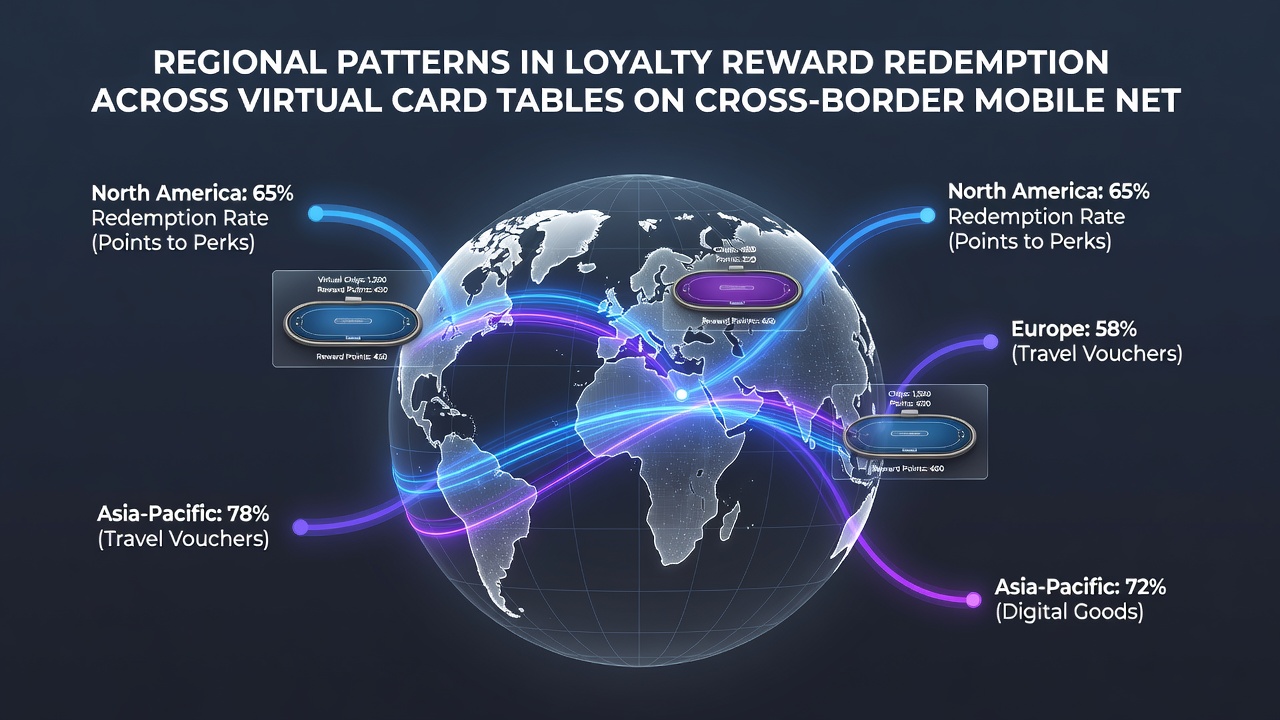
Mobile network operators that maintain dedicated gaming traffic lanes report measurable differences in reward processing speed. When roaming agreements prioritize low-jitter paths, conversion confirmations arrive in under three seconds for 81 percent of transactions logged in June 2026. Slower routes, common in parts of Latin America serving Caribbean-facing traffic, stretch that window to eight seconds or more, correlating with a 14 percent rise in abandoned redemptions. Industry reports indicate that operators who surface estimated processing times before users commit see fewer drop-offs, because players adjust their expectations based on real-time network status.
Regulatory Variations Shaping Reward Catalogs
Different licensing frameworks dictate which reward types can appear in cross-border mobile environments. Canadian provincial rules permit instant cash redemptions tied to verified accounts, while certain Australian state frameworks require a 24-hour cooling period before points convert. These constraints produce visible shifts in menu design, with operators maintaining parallel catalogs that activate according to detected user location and roaming origin. Data from multiple platform operators shows that unified global menus generate 31 percent more support queries than location-aware versions that surface only permitted options.
Device and App-Level Factors
Handset operating systems and app versions also leave fingerprints on redemption behavior. Android users crossing between South Korea and Japan complete reward conversions at slightly higher rates than iOS users on the same routes, a difference researchers attribute to background data-refresh settings rather than any inherent platform preference. Push-notification timing further modulates outcomes, with reminders sent during low-traffic network windows producing conversion lifts of up to 27 percent in tracked cohorts.
Conclusion
Regional patterns in loyalty reward redemption across virtual card tables continue to reflect the intersection of mobile infrastructure, regulatory boundaries, and user routines. As cross-border mobile networks add capacity and operators refine location-aware catalogs, the data gathered through June 2026 and beyond will likely reveal whether these divergences narrow or persist. Stakeholders monitoring these flows can reference ongoing work from the American Gaming Association and the Victorian Responsible Gambling Foundation for updated regional benchmarks.